What Makes Australia a Must-Visit Destination for Nature Photographers Seeking Adventure

Diverse Ecosystems and Landscapes
Photography in Australia's diverse ecosystems reminds me of preparing for a beautiful african safari. I recall the first time I encountered the enchanting landscapes through my lens, much like the intricate foliage of the Brisbane Botanic Gardens. Each angle offered a new story, rich with vibrant colours and dynamic scenes.
Rainforests: A Lush Haven
Australia's rainforests, often exuberant with life, possess a vibrancy that parallels the allure of africa tours. When I'm immersed in these verdant retreats, the air feels charged with possibility, much like capturing the heart of the Daintree Rainforest or engaging in the artistry at South Bank's galleries. Here, the canopy teems with light and shadow, each photograph a testament to nature's choreography.
Desert Beauty in the Outback
The Australian Outback unfolds vast narratives, reminiscent of Namibia's expansive deserts, known in Africa tours for their iconic red dunes. The contrast of raw earth tones against stark skies offers a compelling canvas that fascinates any photographer. This setting invites moments of creative reflection, where patience is rewarded with unique shadow plays and textures.
Coastal Wonders and Marine Life
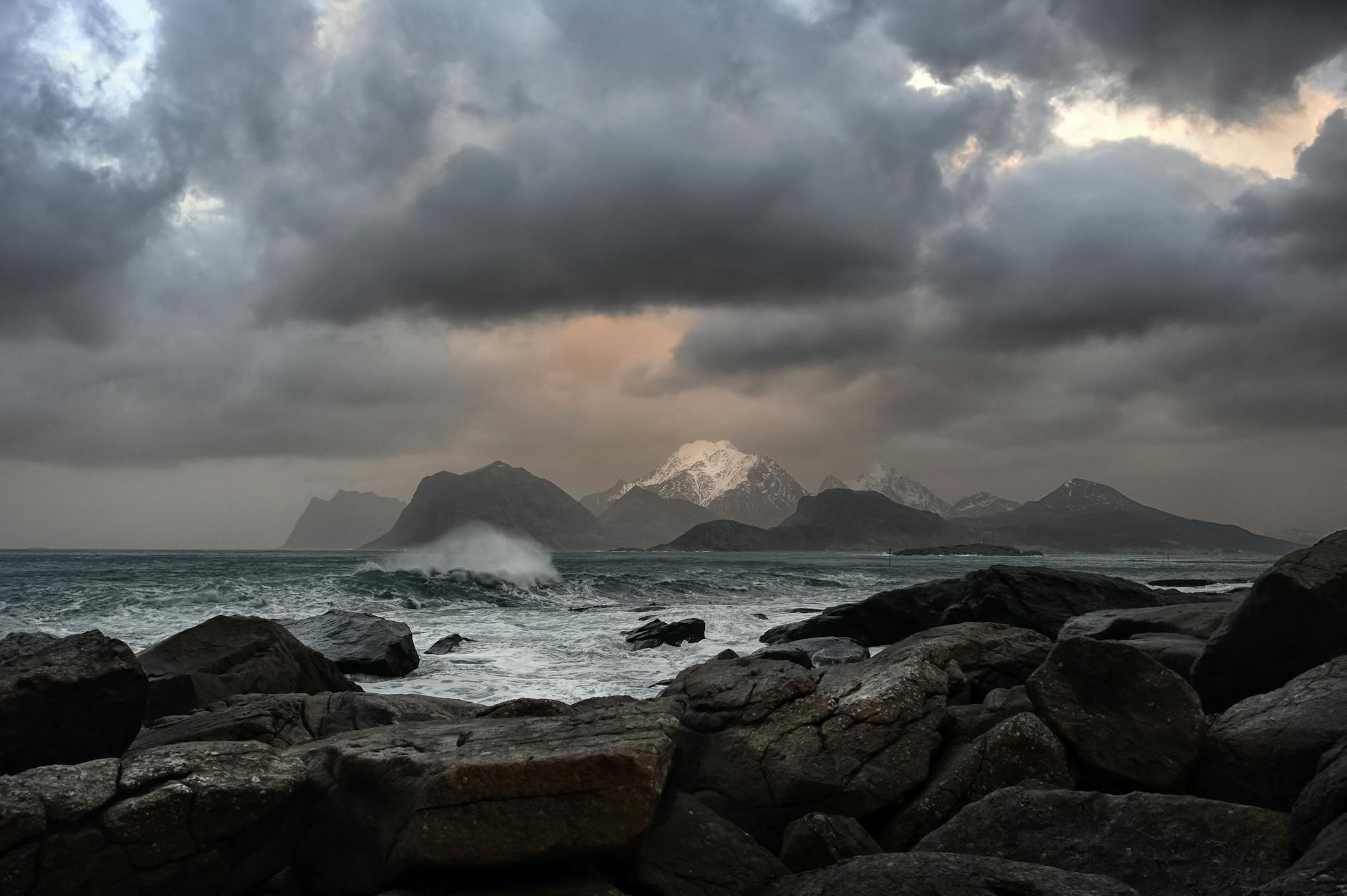
Australia’s coastline, bathed in the rhythm of the ocean, adds a challenging yet rewarding dimension to photography, much like the African shores. Marine panoramas, with sights of dolphins and vibrant coral reefs, parallel the diversity found in Mount Coot-tha's viewpoints. Capturing this aquatic ballet stretches my skills and tests my timing, but the reward is a photo that encapsulates the ebb and flow of breathtaking natural artistry.
These landscapes draw me into their secret symphonies, constantly pushing me to frame beauty with each click of my camera. Whether it's the untamed wilderness or the bustling life beneath the waves, Australia provides boundless inspiration for anyone passionate about photography.
Unique Wildlife Experiences
Encounters with Marsupials
In considering my adventures as a wildlife photographer, I often think back to moments of capturing the delicate dance of light and shadow on remarkable creatures. I've spent countless mornings photographing the elusive creatures at Mount Coot-tha's scenic views, which never fail to inspire me. Capturing images of Australia’s unique marsupials requires patience and a keen eye. The likes of kangaroos, wallabies, and koalas offer distinctive photo opportunities, each showcasing their natural habits within their environments.
These animals are incredibly dynamic, so it's crucial to understand their typical behaviours. Timing is essential. For example, wombats are most active at dusk, while kangaroos and wallabies can be more easily spotted during the early morning hours. When planning your african tours, think about visiting places similar in biodiversity to Australia’s wildlife-rich spots. I can almost guarantee that the diversity of a south africa safari will offer a new lens to your photographic endeavours.
Photography isn't just a technical exercise; it’s about storytelling. Whether at the Brisbane Botanic Gardens or the varied landscapes of Africa, the creatures you encounter each narrate their own tales. Watching these fascinating animals interact and adapt is a reminder of the ever-changing world around us. Such experiences compel me to further my efforts in conserving these worlds for future generations.
Photographic Opportunities and Challenges
Best Spots for Iconic Shots
Reflecting on my photography journey, I've found that Mount Coot-tha's scenic views often evoke a sense of wonder similar to the breathtaking landscapes I encountered during south africa tours. Just as Brisbane's surroundings offer rich opportunities for unique perspectives, planning a photographic trip to South Africa can reveal an array of majestic vistas and wildlife scenes. It's all about capturing both the grandeur and the subtleties of nature.
Seasonal Variations in Light
In my experience, understanding seasonal light variations is crucial, much like knowing when the light best illuminates the Brisbane Botanic Gardens. Africa presents its own challenges and advantages with its distinctive seasonal shifts. In southern regions, the transition from wet to dry season drastically alters landscapes, providing varied light conditions ideal for showcasing wildlife in their natural habitats. A well-timed trip can capture the change, much like the way seasonal shifts affect our own landscapes here.
Managing Remote Photography Logistics
The logistics of remote photography can be daunting, a feeling I remember from my early forays into capturing the vistas around Mount Coot-tha. When planning overseas photography ventures, ensuring the reliability of equipment under extreme conditions is paramount. Lodging, transportation, and emergency plans should be factored into South African expeditions, much like planning a trek around our vast outback. It mirrors how I approach shoots away from urban comforts in search of untamed beauty.
Eco-Friendly Exploration Tips
Sustainable Travel Practices
I've spent countless afternoons in places like the art galleries of South Bank, learning and sharing sustainable practices with fellow photographers. Whether journeying through bustling cities or embarking on Namibia tours, it's vital to reduce our environmental footprint. Sustainable travel isn't just a trend; it's a responsibility. I recall a trip to the Brisbane Botanic Gardens where a fellow photographer switched to rechargeable batteries—small changes like these make a massive impact. Consider leaning towards digital instead of print to showcase your work.
Minimizing Environmental Impact
During an assignment by Mount Coot-tha's scenic views, we discussed simple eco-friendly habits. Employ mindful packing—bring reusable water bottles and cutlery. When venturing into the wild, stick to designated paths to preserve ecosystems; trust me, as someone who's been there, every step matters. I often remind myself that nature photography is as much about capturing beauty as it is about safeguarding it.
Conservation Initiatives to Support
You can contribute to conservation efforts. I've partnered with local groups dedicated to protecting biodiversity. Through these collaborations, I've learned how critical our support can be. Participating in clean-up activities or donating proceeds from exhibitions to wildlife charities aligns with the values that drive many of us in this field. Constituencies like these not only back your commitment to preservation but also help create a more sustainable path for those who will walk these trails after us.
Overcoming Challenges in Nature Photography
Navigating Tough Terrains for the Perfect Shot
Having spent countless hours amidst the rugged landscapes around Brisbane, from the lush greenery of the Brisbane Botanic Gardens to the dense undergrowth on Mount Coot-tha's trails, I've learned that nature photography is not just about capturing beauty but also navigating challenging terrains. Those early mornings when the dew is still fresh on the leaves can be treacherous, but they often reward you with magical, undisturbed scenes. Proper hiking boots with solid ankle support are a photographer's best friend, and carrying lightweight gear can save your energy for the real prize — that one breathtaking shot.
Weather-Related Hurdles and How to Tackle Them
The weather here in Queensland can be as unpredictable as it is inspiring. I've had many photo sessions abruptly ended by sudden showers, but they also present an opportunity for capturing dramatic skies and vibrant rainbows. On days approaching severe weather, I often venture to the art galleries of South Bank for indoor inspiration and a chance to reflect. Weather apps are essential, but nothing beats the intuition developed from experience. A good rain cover for your camera gear ensures that even a surprise downpour doesn't derail an underwater adventures in the Great Barrier Reef excursion.
Ethical Wildlife Interaction Guidelines
As a passionate advocate for conservation, a crucial aspect of nature photography is respecting the wildlife that calls these places home. In environments where marsupials roam freely or exotic birds seek refuge, maintaining a comfortable distance is mandatory. I recall a morning at a secluded spot where a curious bandicoot approached my lens — a moment of eye contact that lasted mere seconds but left an indelible mark. In every interaction, a photographer's responsibility includes supporting conservation initiatives to support and spreading awareness through their art. Respect for wildlife not only enriches our photographs but also instills a sense of stewardship towards our natural world.